Introduction
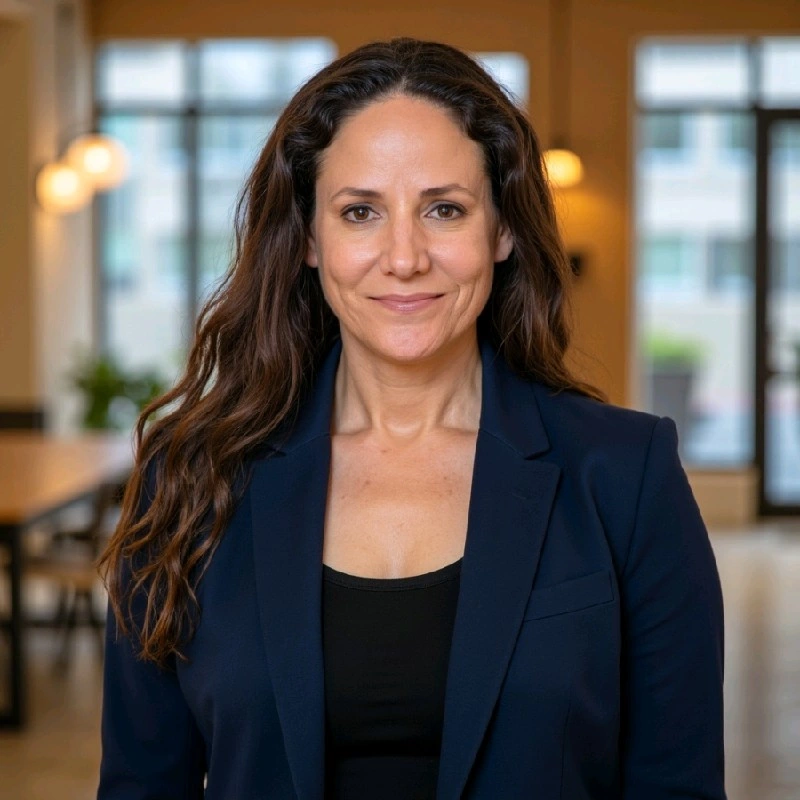
I’m Leslie, the founder of Do You Have A Case? —an AI-driven platform that grew out of my own struggles with workplace discrimination. I live with ADHD and have since being diagnosed just 2 years after it became recognized as a legal disability under the ADA. For me, working in traditional corporate roles felt like walking a tightrope:
I often had to mask my neurodiversity, push through tasks without requested accommodations, and hope that those around me wouldn’t label me “difficult” due to my ability to identify patterns of unmet customer needs or broken processes. Eventually, my experiences led me to believe that a broken system wasn’t going to fix itself—so I decided to help fix it.
Why Advocacy for Neurodiversity in the Workplace Matters?
The Broken Journey I Faced
I was first diagnosed with ADHD as a child. Initially, I wore that label with a sense of embarrassment, as I knew I was “different.” Teachers rolled their eyes when I needed clarifications, peers dismissed me as a daydreamer, and school administrators fought against requested “accommodations” deemed as “special treatment” or unnecessary due to my high IQ, test scores or academic performance. Deficient….but not deficient enough. Fast-forward to adulthood, and the workforce was no kinder:
- Denied Accommodations: Simple requests—like a more structured workflow, or collaborating on notes and aligning on priorities—were met with shrugs, or worse, workplace retaliation.
- Microaggressions: My uniqueness was seen as a liability. Co-workers sometimes made offhand remarks about my “disruptive ideas” or “lack of focus” or being a “square peg in a round hole”.
- Fearing Retaliation: I was often afraid to mention my ADHD or related struggles, worried about being overlooked for promotions or excluded from projects.
Over time, I realized I wasn’t alone; countless others with autism or ADHD faced the same uphill battles. Many told me they never even tried to request accommodations because they’d heard horror stories of retaliation. I too saw colleagues lose confidence in themselves after being dismissed or mocked by management. Something had to give.
Realizing the “System” Didn’t Have Answers
When accommodations fail or discrimination is blatant, you might think: “Well, I’ll just file a complaint with HR or the EEOC.” Yet I—and so many others—found that the official routes were confusing, time-consuming, and often emotionally draining. Lawyers routinely asked for mountains of evidence. Meanwhile, the emotional toll of discrimination kept growing as each phone call forced us to rehash painful experiences.
One day, after personally hitting a wall with a particularly dismissive HR department, I thought: Why isn’t there a single, simple portal where I can get help to assess if I’m dealing with a real legal issue or just bad management? And if it is legal, why can’t I quickly see what my next steps should be—even if I don’t want to hire a lawyer right away?
That’s when the initial concept for Do You Have A Case? took shape. I envisioned a place that offered:
- Documentation for Clarity: A way to capture evidence and respond to screening questions to separate facts from emotions.
- Community & Support: Support and resources for those feeling alone with their struggles.
- Connection to Media: Options for individuals to share experiences if they want to highlight systemic discrimination.
Creating a Tool Out of Frustration—and Hope
I’m not a fan of confrontation for confrontation’s sake. But every time I saw a friend or acquaintance endure demeaning remarks, or get fired after requesting minimal accommodations, my resolve hardened. We deserve better. So, I channeled that energy into building an AI-driven tool that breaks down these complex processes.
- AI for Accessibility: The biggest hurdle is that most people aren’t legal experts and don’t understand the toll that seeking to exercise your rights can take. Our AI helps capture relevant details and create a report to share so you don’t spend months making phone calls if there’s no strong legal case.
- Empowering Information: Even if you don’t have a strong case, we’ll direct you to resources that help you make an informed decision —be it resources, self-advocacy guides, mental health support, or legal support.
Conclusion: Our Collective Journey
At the end of the day, Do You Have A Case? isn’t just about lawsuits. It’s about empowerment. It’s about recognizing that discrimination hurts us all.
I started Do You Have A Case? because I know how lonely and invalidating it feels when you suspect you’re being discriminated against, but you aren’t sure if you can or should do anything about it. This platform is my attempt to give people the clarity and support they need—because navigating this alone is exhausting, and none of us should have to do it solo.
If any of my story resonates with you, welcome. I’m so glad you’re here, and I hope Do You Have A Case? gives you the support you deserve.